/ Healthcare technology
DICOM Modality Worklist: How It Works and a Radiology Modality Integration Checklist
A practical guide to DICOM Modality Worklist, procedure mapping, AE Titles, and order-to-scan testing before a radiology workflow goes live.
What is DICOM Modality Worklist?
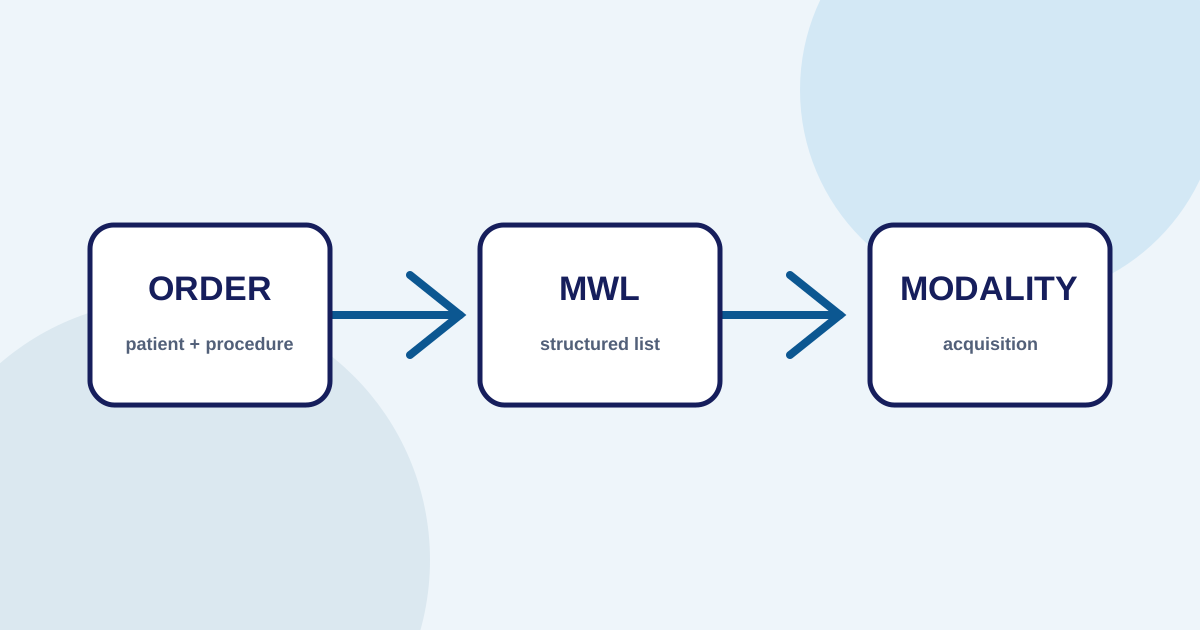
DICOM Modality Worklist, or MWL, allows a modality—such as CT, MRI, CR/DR, or ultrasound—to retrieve scheduled examination orders from a connected system. The technician selects the correct order before acquisition. This lets patient and procedure information come from a validated source rather than being typed again at the modality console.
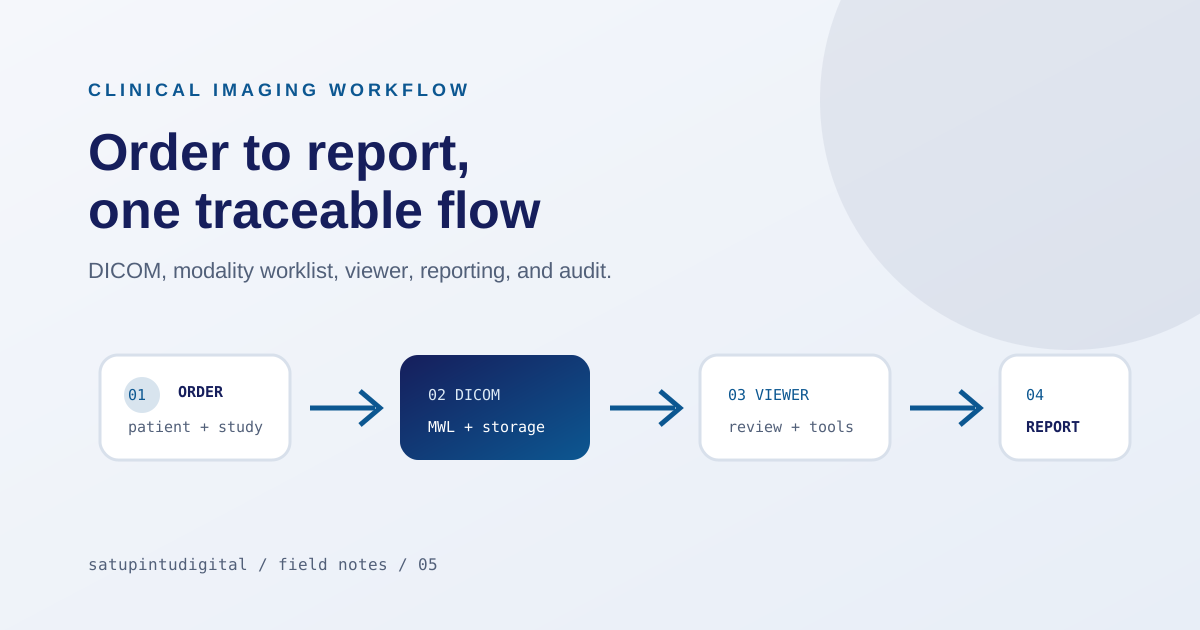
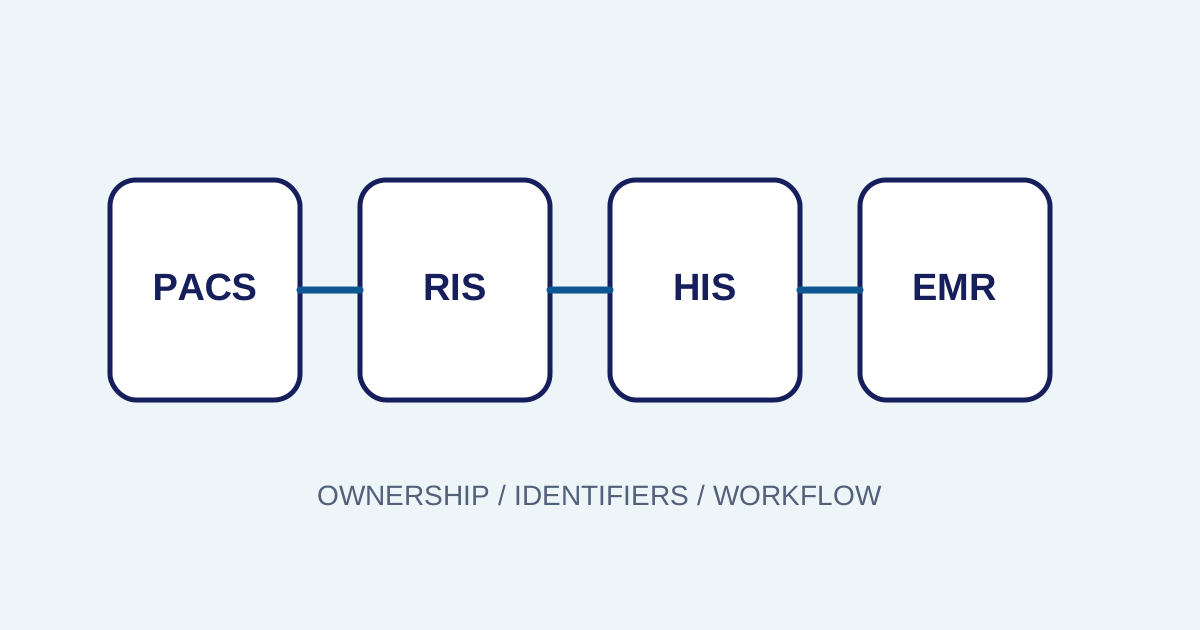
MWL is not merely a queue. It connects registration, RIS or an ordering system, the modality, and the PACS workflow. For the broader context, read the radiology PACS workflow from order to report.
What data needs to be agreed?
Before configuration, teams should agree on the fields used to search and the fields carried into the study. Common topics include:
- Patient ID and patient identity.
- Accession number as the examination identifier.
- Study or procedure description.
- Modality and device location.
- Scheduled station AE Title.
- Date, time, priority, and order status.
Facilities do not always use the same procedure names. Explicit mapping is therefore important. “CT head”, a local procedure code, and a vendor label may refer to the same examination, but the system needs a defined relationship before the workflow expands to more units.
MWL configuration checklist
Use a staged checklist so different failure types do not get mixed together:
- Order source: identify the source of truth for patient, procedure, and accession number.
- DICOM node: record hostname or address, port, AE Title, and service type.
- Worklist filters: make sure the modality receives the right location, modality, date, and order status.
- Mapping: align procedure codes, descriptions, priorities, and patient identity.
- Access: restrict queries to the required unit and environment.
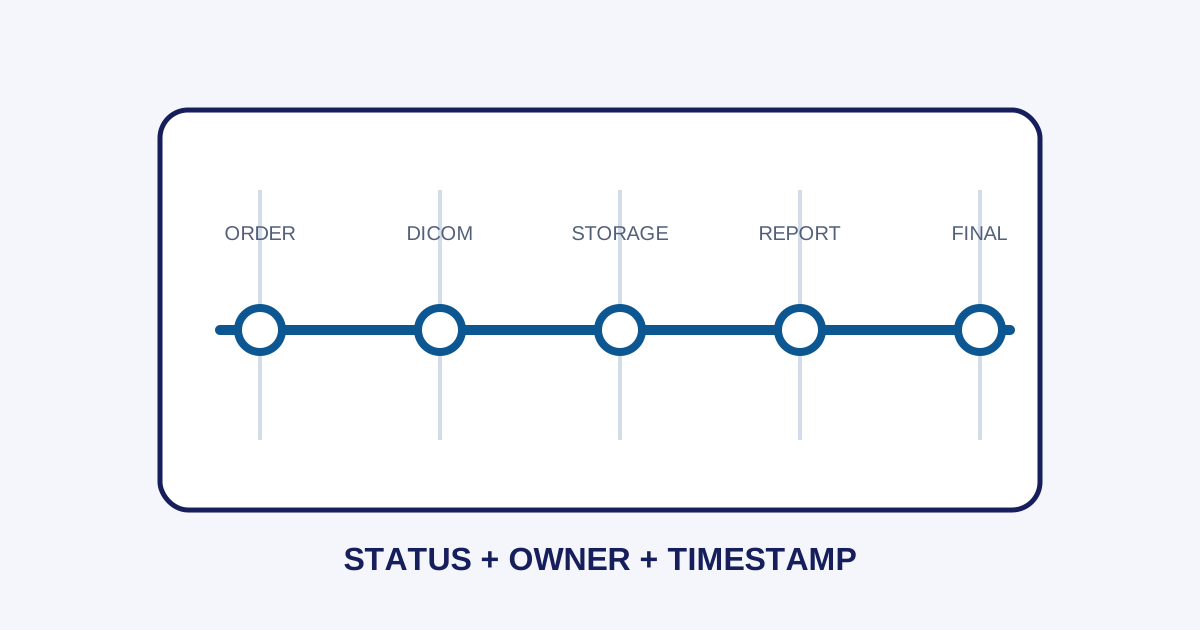
- Status: distinguish new, cancelled, completed, rejected, and correction-needed orders.
- Audit: record important configuration changes and data corrections.
Document configuration per device. One global configuration without device-level differences makes troubleshooting harder when a facility adds a modality.
Test normal and failure conditions
A normal test confirms that an order is created, appears in the worklist, is selected on the modality, and produces a study accepted by the DICOM destination. Failure tests answer the more useful question: what happens when a node cannot be reached, a procedure has no mapping, an accession number is duplicated, or metadata does not match?
Error messages should identify the failed stage and the next action. “Failed” alone does not distinguish network problems, rejected data, AE Title configuration, or storage capacity.
How MWL connects to the PACS workflow
MWL happens before acquisition, but its effects continue into viewing and reporting. A wrong order can produce wrong metadata. Wrong metadata can make a study difficult to find, send it to the wrong worklist, or stop it during routing. Teams should therefore follow one examination from order, worklist, acquisition, DICOM delivery, storage, viewer, and report.
In Imagestro-PACS, MWL is described as part of the order, DICOM, review, reporting, and integration workflow. The implementation still needs to match the modality, HIS/SIMRS, network, and facility policy.
Conclusion
DICOM Modality Worklist reduces manual identity entry and helps preserve the relationship between an order and an examination. Successful integration depends on more than an open port: data mapping, filters, ownership, failure testing, and audit trails matter just as much as node configuration.
Need help applying these priorities to your business?
Content cluster